It’s the typical backyard discussion these days… “Is solar actually worth it, or just another thing everyone’s talking about?”
Truth is, the answer’s not the same for everyone. Like any big home decision like building a deck, buying a ute, or finally upgrading that rattly old air-con, it all comes down to what suits your home, your habits, and your budget.
Solar can absolutely make sense for plenty of Aussie households, but it’s not magic. It’s an investment. Whether it pays off depends on how much sun you get, when you use your power, and how long you plan to stick around.
So instead of guessing, let’s break it down properly. We’ll chat through some solar tips covering what solar costs these days, what it can actually save you and how feed-in tariffs, battery storage, and payback periods fit into the mix.
Why Solar Power's Become the New Backyard Staple
How Much Solar & Battery Rebate Can You Get?
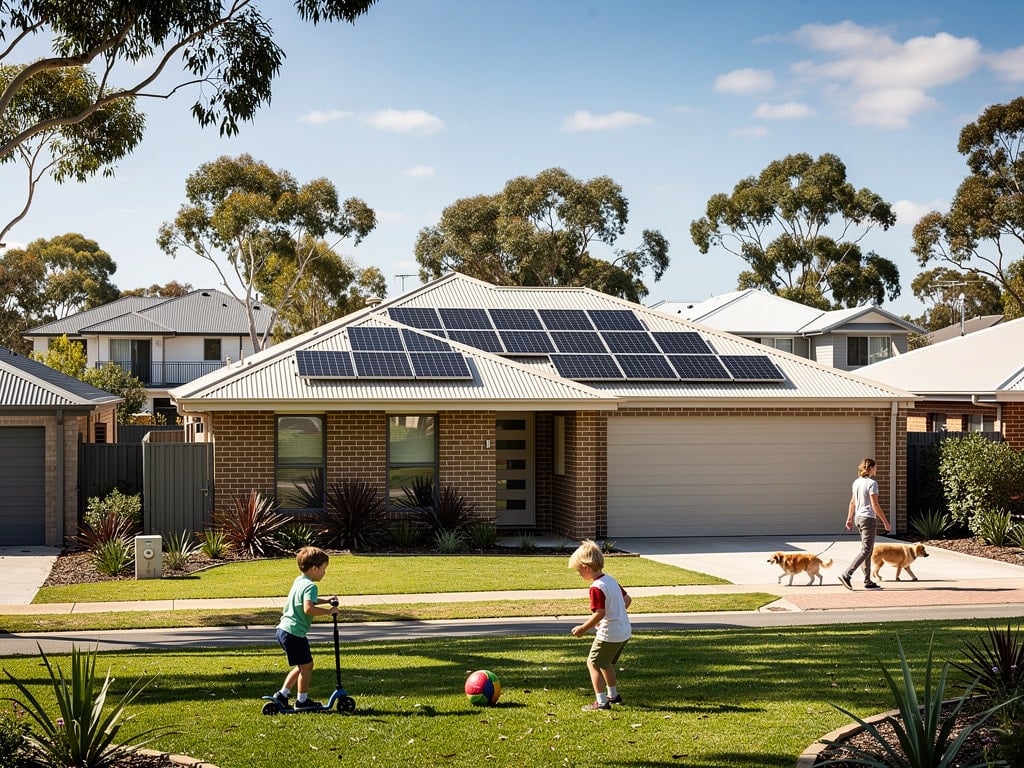
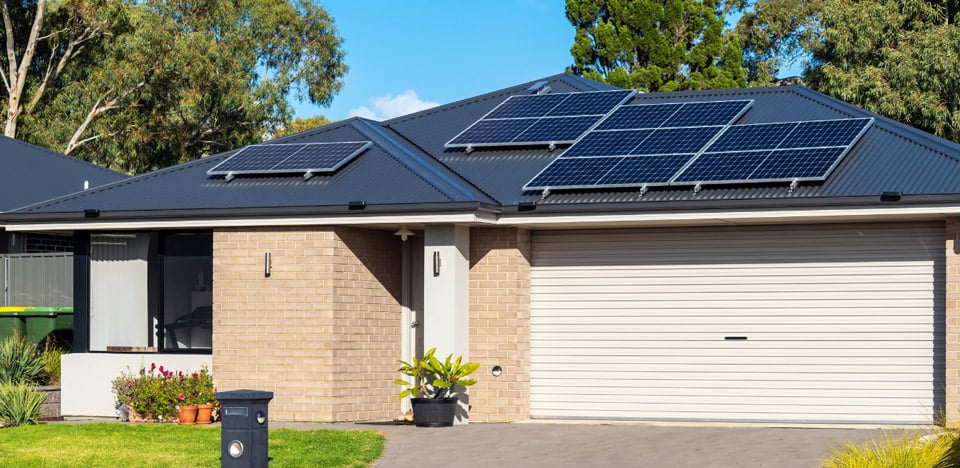
30 secs · Free · No obligationYou don’t have to go far to spot a roof covered in panels these days. It’s looks like the whole neighbourhood is part of some sort of solar club that you’re not part of.
In the early days of solar adoption, high feed-in tariffs and the high initial cost of solar panels meant only a few Aussies could afford them… Since then, both incentives and costs have changed significantly, making solar more accessible to a wider range of households.
From beachy suburbs in Queensland to farm sheds in regional SA, solar systems are everywhere. But it’s not just about being “green.” People want control over their electricity bills and more independence from the big power companies who seem to lift prices like they are going out of fashion!
Still, just because it’s common doesn’t mean it’s automatically right for everyone. Every home uses power differently, and every roof catches the sun differently. Solar’s like a good pair of boots…brilliant if it fits right, useless if it doesn’t.
What Solar Costs in 2026 (And Why It's Not Just "One Price Fits All")
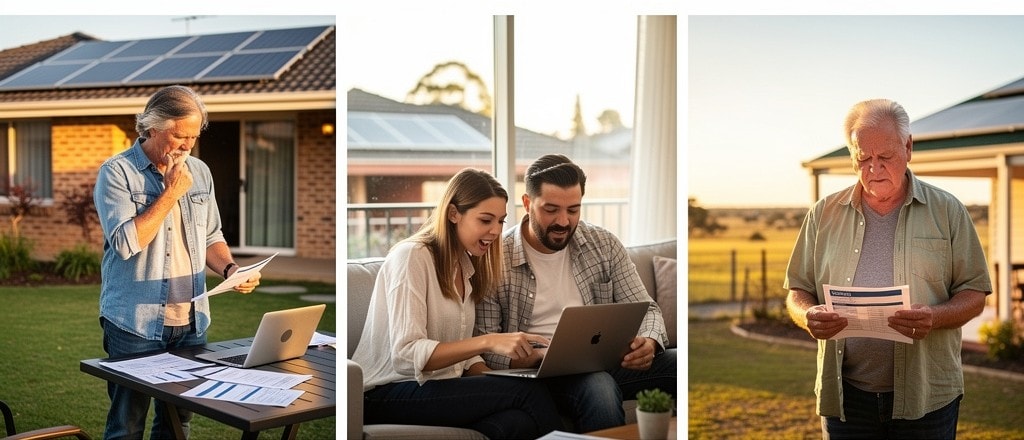
Right, let’s talk cash. Because for most of us, that’s the make-or-break.
Here’s roughly what you can expect to pay these days for solar systems across Australia, including panels, inverter, and installation (rebates factored in):
Think of it like beer prices, some states just charge a bit more for the exact same pint. Prices change a bit between Australian states due to different labour costs, different sunlight levels, and different rebates. The upfront cost of installing solar can be significant, with the average cost of solar installation across Australia reported to be around $7,181 in 2024.
Get Maximum Rebates For Your Household Here
30 secs · Free · No obligationWhat Makes the Price Go Up (Or Down)
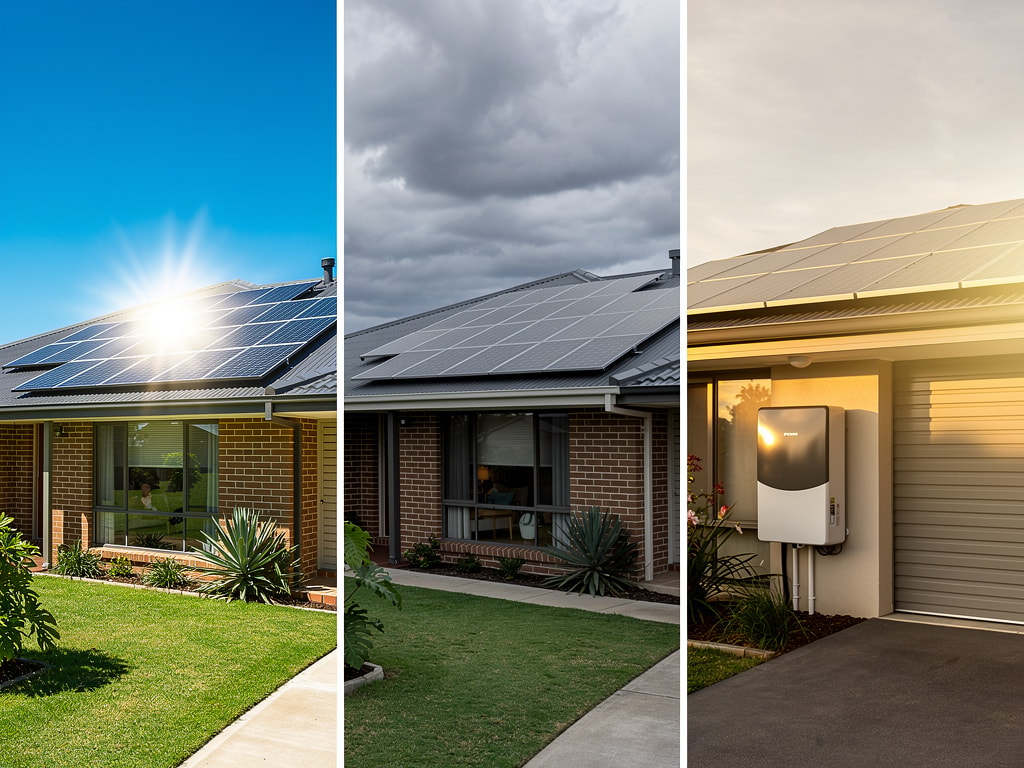
A few things shift the final figure, some being more obvious than others:
System Size – Bigger system, bigger bill upfront, but also bigger long-term savings. The optimal system size should be based on your household’s current and future electricity consumption to ensure you get the best value.
Panel Efficiency – Premium panels make sense for shaded or small rooftops, but keep in mind that higher efficiency often comes with higher solar panel prices and upfront costs.
Inverter Type – Want future-ready battery storage compatibility? That’s worth paying a little more for.
Roof Type & Layout – Steep or fragile roofs add install time and labour. No surprise there.
Location – Sunshine isn’t evenly shared across states. Queensland and WA soak it up; Tassie makes the most of what’s there but both still make solar work.
Considering your electricity consumption is crucial for determining the right system size and maximising your savings. All these factors directly influence the potential savings you can achieve with solar, as your location, system size, and equipment choices determine how much you’ll save on electricity bills over time. Choosing a reputable solar provider is also crucial for quality installation, ongoing service, and long-term satisfaction.
Connect With a Reputable Solar Installer With Rebates Here
30 secs · Free · No obligationHow Much You Can Actually Save on Electricity Bills
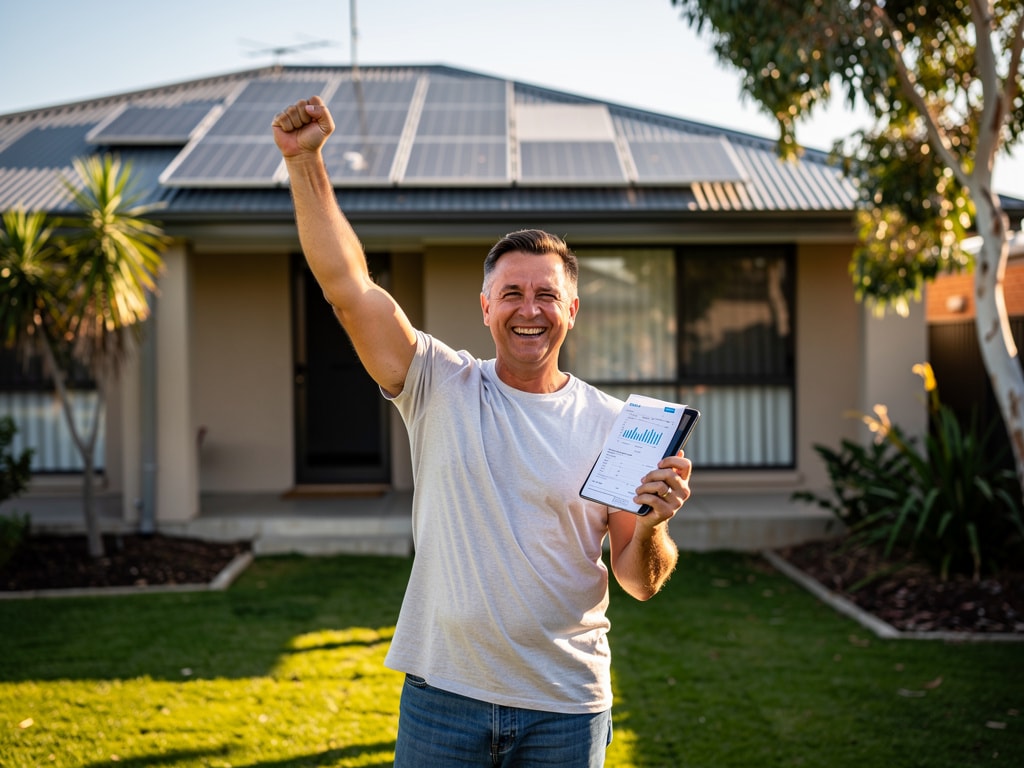
Here’s where solar starts to make sense and why so many people are giving it a serious look. Because solar can knock 50–90% off your electricity bill. That’s not just marketing spin; it’s a fact.
The more of your own power you use while the sun’s shining, the less you buy from the grid. Got a battery? You’ll store the extra energy for later, cutting your night-time costs too. Got a bit of shade? Smart panel design can help keep your system performing at its best.
Typical savings by system size look like this:
Small system: $800–$1,200 a year
Mid-range 6.6 kW: $1,200–$2,000 in annual savings, depending on your electricity usage
Larger homes: $2,000–$3,000+
Over a couple of decades, that can mean tens of thousands saved. You might not notice it week to week, but it’s like an invisible pay rise that quietly keeps showing up. And if you’re the sort who runs the washing machine during the day, charges the EV, or keeps the pool pump running, you’ll make even more of your own solar electricity work in your favour.
The Payback Period: When It All Starts Paying You
No one expects solar to make you money overnight. The payback time typically ranges from 3 to 6 years in Australia. After the payback time, households can essentially earn money by generating near-free electricity for more than 20 plus years.
Your payback period depends on how much power you use, what you paid upfront, your local feed-in tariff, and how good your roof’s exposure is.
Feed-In Tariffs: Nice to Have, Not a Deal-Breaker
A solar feed-in tariff is a rate paid to customers who export their solar-generated electricity back into the electricity grid. Feed-in tariffs can vary between states, providers, and plans.
Once upon a time, high feed-in tariffs were sky-high. Your panels sent excess power (the surplus electricity you didn’t use) back into the grid, and retailers showered you with credits. These high feed-in tariffs were more common in the past, but feed-in tariffs are much lower now due to increased solar energy production and decreased installation costs.
Think of the tariff as a nice little “thanks, mate” from your energy retailer, not a full-blown paycheck.
Check Your Solar or Battery Rebate in 30 Seconds
30 secs · Free · No obligationWhy Using Your Own Power Beats Exporting It
Every kilowatt you use directly from your panels is a kilowatt you don’t have to buy. Solar panels generate electricity for immediate use, and using solar power directly from your panels can save you around 33c per kWh compared to selling it back to the grid.
That’s where the biggest savings hide. So, if you can, time your power use around daylight hours: run the washing, crank the air-con, have that movie marathon during the day instead of at night.
Those small shifts can carve a serious chunk off your bills. It’s not about changing your life, just keeping the sun on your side.
The Role of Battery Storage (And Whether You Really Need It)
Ah, the big question: do you need a battery? A battery storage system keeps your spare energy tucked away for use at night or during a blackout. It also allows you to use stored solar energy during peak hours when electricity rates are highest, maximising your savings and providing backup power when demand on the grid is at its peak.
It’s smart technology that gives you independence, especially if you’re in an area with patchy reliability. But honestly? The upfront price can sting a bit. You’re looking at around $7,000–$12,000 installed, depending on size and brand.
However, the Australian Government, has for once, come in clutch for everyday Aussies. Eligible households can qualify for government-supported battery subsidy programs, such as the Cheaper Home Batteries Program, which offers approximately a 30% discount on the upfront cost of installing a solar battery.
With that kind of support floating around, batteries are finally shifting from “one-day dream purchase” territory to something a lot more doable. Sure, it’s still a decent chunk of change upfront. But when you stack the rebates, the savings, and the peace of mind of knowing you’ve got power even when the grid croaks, it starts to look like a pretty smart move.
If you’ve already got solar panels doing the hard yards, adding a battery can be the next logical step.
Check Your Solar or Battery Rebate in 30 Seconds
30 secs · Free · No obligationNo Battery? Still Worth a Look.
There are some people that do well without battery storage. If someone’s home most of the day like retirees, work-from-home types or families with little ones, your usage probably lines up well with your solar production anyway.
Your panels hum along powering the fridge, dishwasher, and air-con directly. And you can always upgrade when batteries make more financial sense. It’s like starting with the basics of camping gear first…get the tent and esky sorted before adding the luxury fridge unit.
Which Homes See the Fastest Returns?
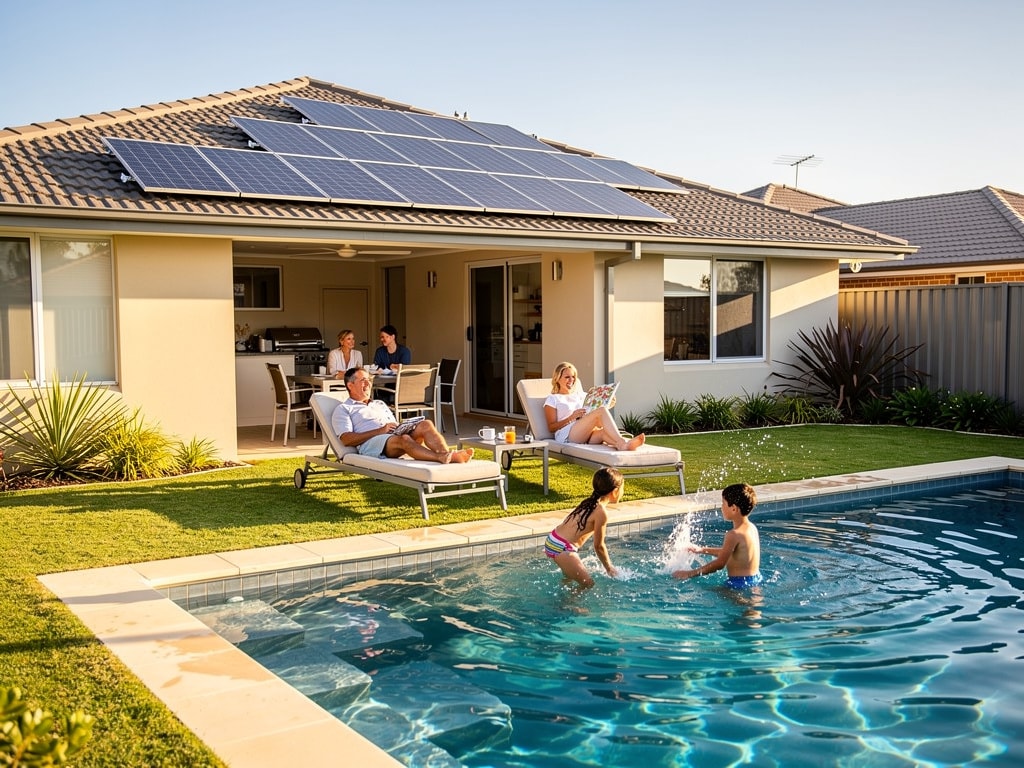
Solar shines brightest (pun absolutely intended) for:
Families home during the day like remote workers, parents with young kids or retirees
Sunny-roofed homes in Australian states like QLD, SA, or WA, especially South Australia, where high electricity rates and abundant sunshine make the average payback period for a rooftop solar system particularly favorable
Homes with pools, electric vehicles, or heavy daytime appliance use
Households with average usage levels, as this benchmark helps estimate payback periods for rooftop solar installations
Those considering rooftop solar or a rooftop solar system, which are the most common and cost-effective options, often supported by government incentives and feed-in tariffs
Not to mention Investing in a solar power system can also boost your home value. Australian property data shows homes with solar sell for around 2–3% more, which is around $20,000–$25,000 extra on the average home making it a smart financial decision in addition to the energy savings.
Grid Power vs Solar Power: The Ownership Difference
Grid power works fine… until it doesn’t. Prices move, retailers shuffle tariffs, and you’ve got little say in any of it.
Solar, meanwhile, means you’re generating at least part of your energy yourself. The electricity generated by your solar panels directly offsets what you would otherwise draw from the grid, giving you more control over your energy use and costs. You’re still connected to the grid for backup, but you control your own costs.
It’s the difference between renting a house and owning it. You don’t escape all responsibility, but you get to make the choices and pocket the benefits.
Common Concerns (and Straight Answers)
Do panels still work well after a decade?
Absolutely. Quality panels keep 80–90% of their performance for 20+ years. Solar PV systems are designed for long-term durability, maintaining reliable energy output over decades. Choose reputable tech, and they’ll outlast most appliances inside the house.
Hard to maintain?
Nope. Just a rinse or gentle clean a few times a year and an occasional pro check. Easy as mowing a small patch of lawn.
What about inverters?
Expect to replace yours after about 10–15 years, budget around $1,500. (At time of writing) System output is often measured in kilowatt-hours (kWh) exported, which is the standard unit used for calculating certificates and incentives such as solar renewable energy credits (SRECs) and small-scale technology certificates (STCs). Households can earn Small-scale Technology Certificates (STCs) under the Small-scale Renewable Energy Scheme (SRES), which can reduce the upfront cost of solar installation.
Can solar panels handle Aussie weather?
They’re tough and tested for hail, cyclones and heat. Panels installed properly will survive things that’d knock the letterbox over.
Partner with Solar Incentives for expert solar guidance in Australia
So… is solar electricity worth it in 2026? For many Aussie homes, yes. For others, maybe not yet. It’s not about trends or peer pressure. It’s about running the numbers for your place.
A sunny roof, steady daytime power use, and decent rebates? Probably worth a good look. Less sun, minimal daytime use, or moving house soon? Might be worth waiting a year or two or installing a smaller starter system.
Either way, the idea’s simple: know your power habits, know your roof, and make the decision on facts… not FOMO.
At Solar Incentives, work with a network of hundreds of installers nationwide to ensure you get quality installation and fair pricing based on facts. We’ve helped tens of thousands of households make confident solar decisions without the pressure tactics, dodgy deals, or annoying salesmen who try to trigger your FOMO. Our goal is simple: cut through the noise and help you understand what solar should really cost.
Check Your Solar Rebates & Savings Free
30 secs · Free · No obligationFrequently asked questions

Jerome Trimboli
Jerome has over 2 years of experience in the renewable energy sector. Australian born and raised, he takes pride in advancing sustainable energy solutions to benefit both the environment and local communities. In his spare time, Jerome enjoys watching Aussie rules, cricket, soccer and basketball, as well as travelling across the world to parts unknown.