
Good Solar Panels for Australian Homes: How to Choose the Best System in 2026


Joe White
Contributing Renewables Editor
4min · 11th December 2025
Your neighbours both installed good solar panels last year. (Or so they thought)
Because while one cut their electricity bills by 70%, the other is wondering why they’re only saving 30%.
So, what made the difference?
Well, choosing the right solar panels for your home isn’t about grabbing the cheapest option and hoping for the best.
And the system you pick today will either save you thousands over the next 20 years, or become an expensive regret.
This guide breaks down what actually matters when choosing solar panels and a complete solar system.
No jargon. No sales pitch. And no recommendations of specific solar panels.
(Like other websites who take a commission.)
Instead, by the end you’ll be armed with all the right information, and know the right questions to ask your installers
so you get the best bang for your buck.
Why the Right Solar Panels Actually Matter
It’s no secret Australia gets more sunlight than most countries on the planet.
Which makes solar power one of the smartest long-term moves for homeowners chasing lower electricity bills and real energy independence.
But here’s the catch.
Not all solar panels are built the same.
Quality, efficiency, durability, and professional installation determine whether your solar system performs well or under-delivers for decades.
A poorly chosen system degrades faster, generates less power, and fails to deliver the savings you signed up for.
While a good solar system means consistent energy generation and lower reliance on the electricity grid.
And with electricity costs rising and solar rebates still on the table, investing in quality in 2026 pays off over 20+ years.
Bottom line…
Get it right once, or pay for it twice.
What to Look for in Solar Panels and Systems

When selecting solar panels and a solar panel system for your home, these factors determine whether you’ll get reliable performance under Australian conditions and long-term value.
Let’s break them down.
Panel Efficiency and Power Output
Solar panels work by converting sunlight into electricity.
The efficiency of a panel determines how much power you generate per square metre of roof space.
In 2026, leading solar panels offer efficiency rates around 22 to 23 percent.
High efficiency panels are especially valuable if you’ve got limited roof space or partial shading.
More efficient panels mean you generate greater amounts of electricity using fewer panels.
Which makes them a smart choice for maximising your solar setup without covering your entire roof.
Durability and Performance Over Time
Australian weather conditions can be unforgiving.
Intense sunlight. Heatwaves. Storms. Coastal salt air. Dust.
Your solar panels need to handle all of it and keep producing clean energy for decades.
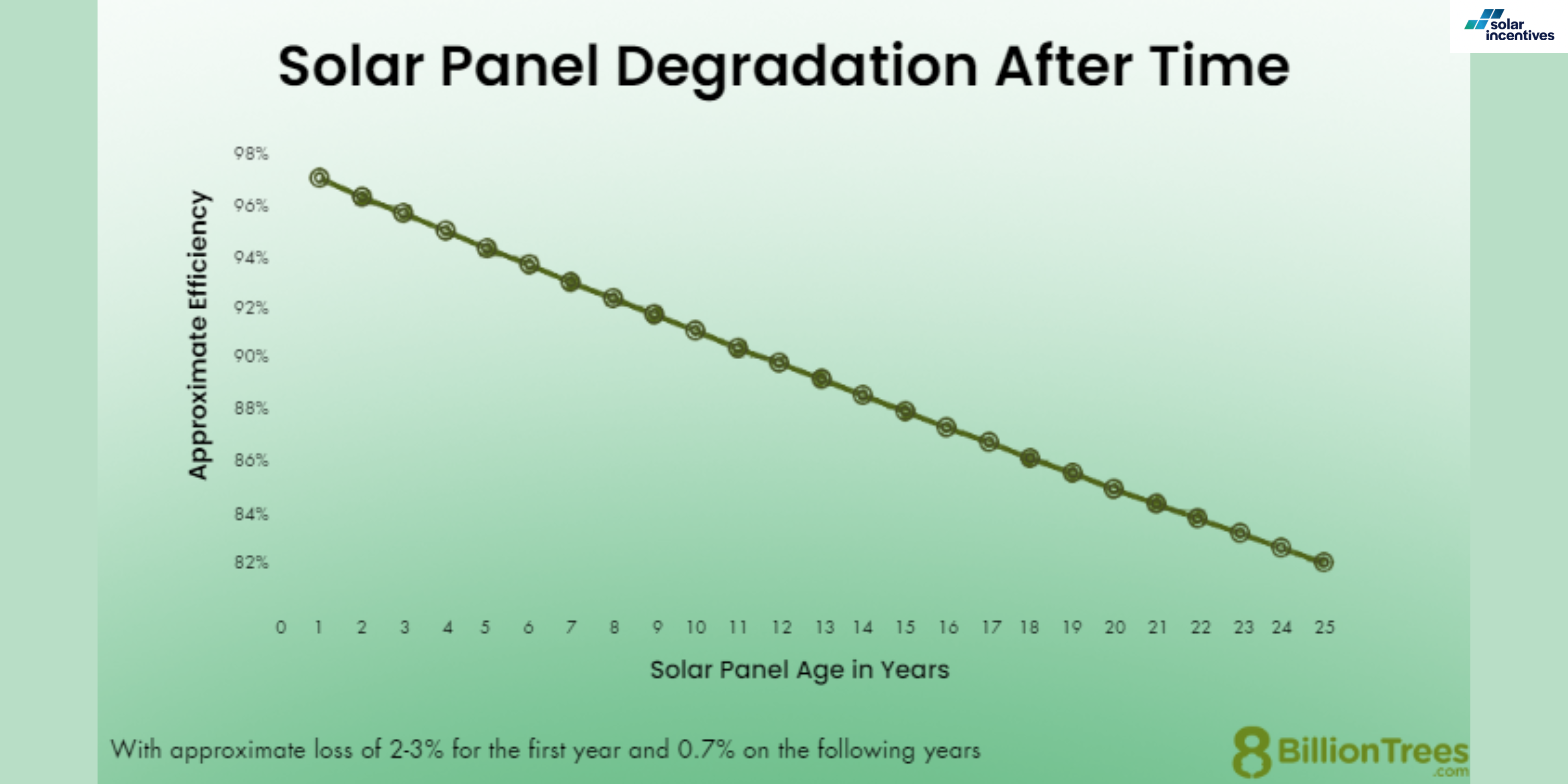
Premium solar panels typically degrade 0.25–0.50 percent per year.
Cheaper ones? Closer to 0.5–1 percent or more annually.
Over 20 years, that difference adds up to significant lost power output from your solar system.
Quality matters here.
Warranty and Manufacturer Support
A reliable solar panel should come with a performance warranty ideally lasting 20 to 25 years.
This protects you against manufacturing defects and ensures your panels keep delivering close to their rated power output over time.
But here’s what most people miss…
That warranty is only valuable if the manufacturer still exists in 10 years.
So choose a reputable company who isn’t a new kid on the block.
Also, check for local support networks in Australia for your particular brand.
If something does break, you want access to service, repairs, or replacements without the hassle of chasing overseas companies directly.
Your Roof and Local Conditions
Not every roof suits solar panels equally.
Angle, orientation, shading, roofing material, structural integrity… all of it influences solar system performance.
In Australia, north-facing roofs typically deliver the best results for maximum sunlight exposure.
Climate plays a role too.
Homes near the coast need panels with protection against salt air.
Inland regions with extreme heat should prioritise panels with low temperature coefficients to maintain efficiency when your
roof hits 60°C or higher.
In short… pick panels designed for where you actually live.
Qualified Installers and Accreditation
An accredited installer ensures your solar system meets safety standards and qualifies for government rebates.
Installation quality affects performance, longevity, and safety.
A professional installer prevents roof leaks, ensures proper wiring, and optimises system output. Poor installation can wreck even the best solar panels.
Also, always check that your panels, inverters and any battery storage are on Australian-approved product lists,
such as the Clean Energy Council’s approved modules, inverters and batteries, to ensure compliance.
And if you’re looking to make big savings with solar and battery rebates, they also have to be on the list.
We can help with that.
Recommended Solar Panel System Specifications for 2026
Based on current market performance and Australian conditions, here’s a quick checklist you can stick to:
Compliance: Ensure all panels and solar inverters are approved for use in Australia and installed by Clean Energy Council accredited professionals. This guarantees safety, compliance, and eligibility for solar rebates.
Now, let’s talk about what to avoid…
What to Avoid When Choosing Solar Panels

To protect your investment, steer clear of these common mistakes.
Cheap or Unreliable Panels
Choosing cheap solar panels from unknown brands without proven track records is a gamble.
These panels often degrade quickly under harsh Australian conditions.
The result?
Reduced energy output, higher maintenance costs, and early replacement.
Which wipes out any savings from rebates and that “bargain” price.
Instead, opt for reputable brands with solid warranty coverage and documented performance.
Trusted manufacturers deliver long-term reliability and actual energy savings over the life of your solar system.
Unaccredited Installers
Using unaccredited installers puts your safety, rebates, and system performance at risk.
Unqualified providers may fail to meet Australian safety standards, not have the right tickets, can damage your roof, and be an all round nightmare to deal with.
Not worth the risk.
An accredited installer ensures compliance, optimises performance, and gets you the most from your solar investment.
Overlooking Roof Suitability and Shading
Installing solar panels on a poorly oriented roof or one with heavy shading drastically reduces energy output.
Even high-quality panels can’t overcome a bad location.
A professional site assessment ensures proper panel placement, optimal angles, and the right solar system size.
This maximises efficiency and long-term savings by addressing roof compatibility and minimising shading issues.
Focusing Only on Upfront Cost
Prioritising the cheapest option seems smart at first.
But budget panels come with shorter lifespans, lower efficiency, and limited warranties.
Over time, you get reduced energy output, higher maintenance expenses, and early replacement.
Which means the return on your investment tanks.
Focus on quality, durability, and warranty coverage instead.
A well-chosen solar system provides better value over the years and maximises your investment.
Checklist Before Installing Solar Panels
Before proceeding with installing solar panels, consider these key factors:
- Are the panels listed on approved modules for Australian standards?
- Do the panels offer efficiency of at least 22–23% with low degradation rates?
- Is there a performance warranty of 25 years or more?
- Does your roof offer optimal performance with good orientation, minimal shading, and sufficient roof space?
- Is the installer accredited and experienced in solar installations?
- Have you evaluated the local climate (heat, salt air, storms) and chosen suitable panels?
- Is the system size adequate for your household energy needs and energy consumption?
- Have you compared total cost, potential solar rebates, and long-term savings instead of just the upfront price?
If you can answer yes to all these, your right solar panel system is well-positioned to deliver reliable performance for decades.
How Solar Incentives Helps You Choose the Right System

At Solar Incentives, we’re proud to say we’re the Australian Rebate Specialists.
We help you compare options for solar energy, solar batteries, energy plans, and rebate eligibility so you make the right choice and get the maximum incentives.
But we also give you access to the experts through each step to ensure you get a solar system that matches your home, location, and energy needs.
Our network of trusted solar partners across Australia gives you access to quality installations and reliable support from trusted professionals.
They’ll give you transparent cost estimates and long-term savings forecasts, with the goal of making solar adoption simple and suited to your budget.
Because you deserve clarity, not complexity.
Final Thoughts
If you want a solar panel system that really lasts, performs, and delivers savings for decades, it pays to choose quality over cheapness.
Think high efficiency panels, strong warranties, professional installation, and a well-matched system size working together to protect your investment and your power bills.
These are what keep your solar running smoothly and delivering stable performance under tough Australian conditions.
Take your time reviewing options, check panel credentials carefully, and make sure you engage a qualified installer who knows the local standards.
With electricity bills rising and strong solar incentives still available, 2026 is an excellent time for Aussies to invest in solar power to protect them from price hikes for years to come.
And with support from Solar Incentives, you’ve got a trusted partner guiding you through every step of the process.
Good Solar Panels FAQs
What matters most when choosing residential solar panels in 2026?
The key factors include how much sunlight your home receives, total cost, and whether you have limited roof space. Check important factors like panel efficiency and whether high efficiency panels make sense for your situation. Expert guidance helps you pick the right solar panel system.
How do I make sure my solar installations produce enough power and store extra energy?
You can use a home battery or battery system to store extra energy and excess energy for later use. A hybrid inverter or the right inverter converts DC electricity effectively. This gives you enough power for daily energy needs and lets you use your own electricity without waste.
Are solar rebates and feed in tariffs still available for low income households and remote properties?
Yes. Many solar rebates and feed in tariffs still support low income households and remote properties. These reduce electricity costs and make installing solar more affordable. They also help when you want to export excess power back to the grid for renewable energy benefits.
What should homeowners look for when comparing solar panel brands in 2026?
When comparing panel brands, focus on top rated solar panels known for premium performance and dependable performance in Australian conditions. Trina Solar Vertex, JA Solar, Canadian panels and Aiko Solar remain strong options due to their consistent output and advanced solar technology.
How do I know if a solar power system is efficient enough for my home?
Check the nominal power rating, solar panel performance and quality of the solar modules. Efficient solar panels should deliver high efficiency even in hotter climates. Australian installers can assess your rooftop solar suitability and recommend home solar systems with proven reliability.
How many solar panels do I need for a solar PV system?
It depends on your rooftop space, system size, and expected energy bill reduction. Most solar panels work well with string inverters, and eligible homes can claim small scale technology certificates.
How do feed in tariffs affect my long term savings with solar power?
Feed in tariffs pay you for exporting power back to the grid. Rates vary by state and retailer.
With feed in rates often low, many homeowners now focus on self-consumption by using their own electricity during the day or storing it in a battery system.
This reduces reliance on the grid and maximises long term savings by avoiding high electricity bills during peak times.
Do solar battery storage systems improve value?
Yes. Solar battery storage captures excess electricity and helps stabilise energy use throughout the day. It is a common upgrade for modern installed panels.
How do renewable energy certificates affect system choice?
Renewable energy certificates help offset costs and support the wider solar industry when using accredited Australian solar installers.
Article By
Joe White
Joe has over five years of experience in the renewable energy sector. Based in Australia, he is dedicated to advancing sustainable energy solutions to benefit both the environment and local communities.
In his spare time, Joe loves to surf and take his dog, Mitchy, on road trips to explore the road less traveled.