
Solar Power Installation Price in Australia 2026: What You’ll Actually Pay


Jerome Trimboli
Associate Editor, Renewable Energy
7 minutes read · 9th February 2026
You’ve done the homework.
You’ve researched panels. You’ve worked out how much you’ve got to spend.
Even planned where the inverter’s gonna sit.
Then you’re hit with the installation quote.
“Hang on a second… that much, just to put it up?”
Suddenly, the numbers don’t look quite so sunny.
But before you swear off solar and go back to paying an arm and a leg for grid power, it’s worth understanding why installation costs can look like that.
Are you really being stitched up?
Or are you getting a genuine, long-term deal?
The right install doesn’t just bolt a few shiny panels to your roof.
It turns your home into its own mini renewable energy station that’ll keep feeding you savings long after the Christmas lights have come down.
Let’s break down what you’re really paying for, what’s fair in today’s solar power installation price, and where the true value hides behind the quote.
What You’re Really Paying For

A solar power system isn’t just a handful of panels and some cable.
It’s an engineered setup built to handle roof angles, harsh weather, and Australian electrical standards.
- Solar panels (PV modules): Where the sunlight turns into free electricity.
- Solar inverter: The brains of the operation. Converts that power into something your toaster understands.
- Mounting gear: Keeps everything solid, even when summer storms hit sideways.
- Wiring and safety gear: No shortcuts, no sparks.
- Monitoring system: Lets you see exactly how much energy your roof’s generating.
- Labour and paperwork: Certified work by Clean Energy Council-accredited installers,
plus grid connection, inspection, and warranty protection.
This isn’t your mate Dave rocking up with a ladder and a cordless drill.
It’s skilled labour, precise wiring, and compliance needed to keep your roof from bursting into flames.
Average Solar Power Installation Price for Australians in 2026

Good news first: the cost of solar is still one of the best energy investments you can make.
Based on 2024–2026 market data, the average solar panel cost in Australia ranges from $80 to over $300 per panel.
With the average cost per watt for residential solar panels between $0.88 and $0.95 fully installed.
Prices have steadied after dipping for a few years, sitting comfortably in the “good value” zone compared with rising electricity rates.
Here’s what people are paying right now (after government rebates):
| System Size | Estimated Cost (after rebate) | Best For |
|---|---|---|
| 3 kW | $2,600 – $4,000 | Units or small homes |
| 6.6 kW Most common | $4,000 – $6,400 | Average family homes |
| 8 kW | $5,000 – $8,000 | Larger households |
| 10 kW | $7,000 – $10,500 | High-usage homes or EV owners |
| 20 kW | $18,000 – $32,000 | Small business setups |
That total cost includes the installation of the rooftop solar panels, the inverter, the mounting, the wiring and the labour… now that’s real value.
What Pushes Solar Prices Up (or Down)
 Every home in Australia is different. These are the factors that make one quote look like a bargain and another dash your dreams for your next family trip.
1. System Size
Bigger systems cost more upfront, but they also crank out more power and trim your electricity bill right back.
If you’re thinking long-term, it’s smart to size for future energy needs (like an EV or pool pump) rather than matching today’s usage.
2. Panel Quality
You get what you pay for.
- Budget panels: Cheaper, decent efficiency, shorter warranties.
- Premium panels: Higher output, longer life, better tech for shaded roofs.
When considering system upgrades, new solar panels offer improved performance and long-term savings, making them a smart investment beyond just the initial solar power installation price.
If you want a decent quality system, think of it like buying tools. Cheap gear works for a while, but premium lasts decades.
3. Inverter Type
The inverter decides how much power you actually get from your panels.
- String inverter: Affordable, reliable option for clear, symmetrical roofs.
- Hybrid inverter: Battery-ready for when you decide to add solar storage later.
- Microinverters: High-tech choice for tricky roofs or partial shading.
If your inverter’s solid, the whole system performs better. It’s as simple as that.
4. Roof Design
Flat roof? Too easy
Tile roof? A bit more mucking around.
Two-storey with tilt frames? It’s going to be a long day
The more complicated the install, the higher the labour cost. But don’t stress.
A good installer will design around it so you still get strong energy generation.
5. Location
Each state dances to its own tune:
- QLD & WA — loads of sunshine, cheaper installs, quick payback.
- NSW & VIC — mid-range costs, plenty of solar installers competing.
- TAS — less sunlight, but bigger rebates balance things out.
Even within states, electricity plan differences and self-consumption will determine how quickly you’ll see savings.
Of course, we can help you with that.
As well as how much solar and battery rebates you can secure the least upfront cost for a new system.
Breaking Down Installation Costs
In most quotes, the installation work itself makes up about 20–30 percent of the entire system price.
- Mounting the panels
- Wiring to the switchboard
- Installing and testing the inverter
- Safety isolation and monitoring setup
- CEC compliance paperwork
Paying a few hundred more for a top installer isn’t overspending, it’s insurance.
A dodgy job can tank performance, void warranties, or worse, make your solar rebate disappear.
Government Rebates and Incentives
Luckily you’re not expected to fork out for 100% of the cost.
The Australian government plays a key role in reducing solar power installation price through the Small-scale Renewable Energy Scheme (SRES).
This scheme provides Small-Scale Technology Certificates (STCs), which make solar far more affordable.
These apply automatically when you buy a new system.
Think of them as an upfront discount, not cashback.
The value depends on your system size, location, and solar PV performance rating.
Roughly, a 6.6 kW system gets around $2,000 – $3,000 deducted before you even pay.
Some states like VIC, ACT, and SA, throw in extra solar rebates or interest-free loans on top.
Always check your postcode eligibility; it can shift your upfront cost by thousands.
Cost Per Watt: Your Shortcut to a Fair Quote
Ignore flashy brochure prices.
The best way to spot a fair deal? Check the cost per watt.
In 2026, most solar installations sit between $0.88 – $0.95 per watt after rebates.
This cost per watt reflects the actual cost to the consumer, as it accounts for rebates and incentives that reduce the overall expense.
If a quote’s miles lower, that’s a red flag.
If it’s higher, look for premium panels or tricky roof design justifying it.
How Much You’ll Actually Save
This is where it pays off, literally.
Aussie households can wipe off 50 – 90% off their power bills once their rooftop solar system & battery is installed and their solar panels kick in.
The average home saves $800–$2,500 a year, depending on how much solar energy they use directly versus what gets exported back to the electricity grid.
If you use more power during the day like for washing, a pool filter, or dishwasher then you’ll bank faster returns.
Over 25 years, a quality system easily saves $30-40K in avoided electricity costs.
That’s a new ute, a kitchen reno, or a few dozen weekends away you didn’t owe to your energy retailer.
How Long Until It Pays Itself Off?
Most Aussies see a solar payback period of around 3–6 years.
Smaller systems lean shorter; big 10 kW jobs take a tad longer.
From then on, it’s the Aussie sun doing the hard yards, not your wallet.
Once your setup’s paid off, your panels keep humming, quietly offsetting every electricity bill the grid throws at you.
Thinking About a Battery?
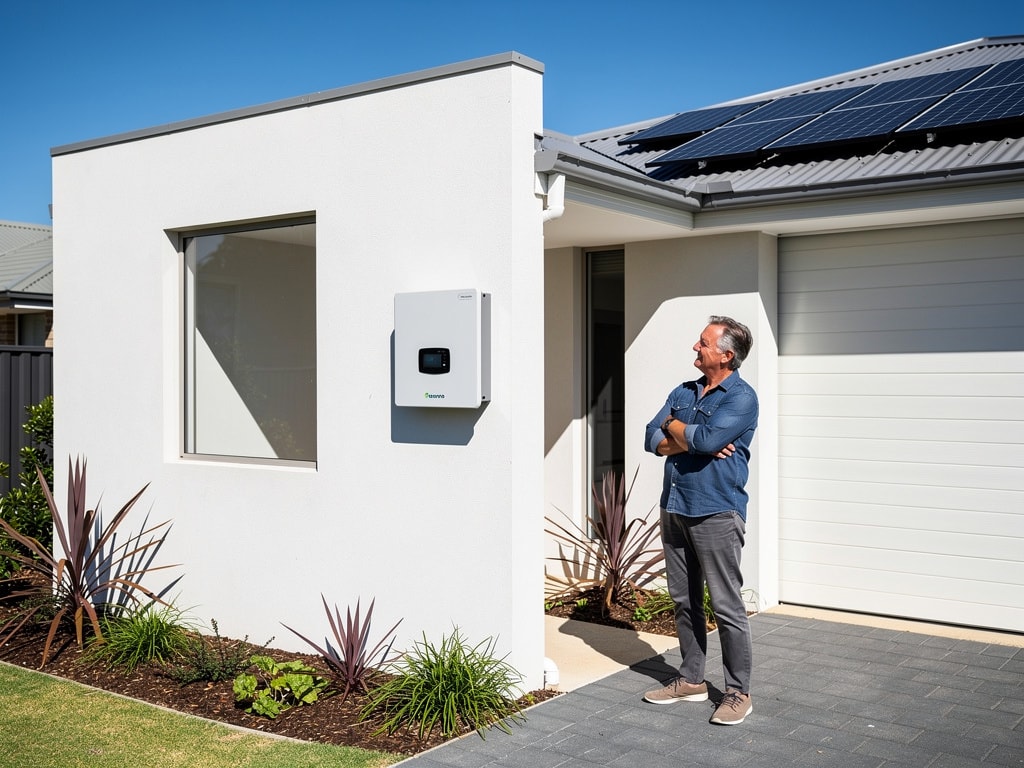
No one’s saying you have to get a solar battery.
But in 2026, it’s starting to feel less like a luxury and more like common sense.
Solar battery storage is becoming increasingly popular in Australia, as it allows households to manage their energy use more efficiently and provides reliable backup power during a power outage.
It’s your home’s way of tucking away a few rays for a rainy day. Literally.
Instead of sending your extra power back to the grid for a few measly cents, you store it and use it later when the sun’s clocked off for the day.
If you’re not ready yet, a hybrid inverter means you can add battery storage down the track without rewiring the whole setup.
This is future-proofing at its best.
Costly Mistakes to Avoid
A few common traps cost Aussies more than their solar panels ever should. Avoid these:
- Chasing the cheapest quote – cheap gear, patchy install, poor production.
- Oversizing your system – exporting heaps of excess power that barely earns cents on the feed-in tariff.
- Ignoring roof shade or angle – half your panels in shadow, half your output gone.
- Getting sweet-talked by fast-talking installers – being talked into paying top dollar for bottom-shelf gear.
Solar’s incredible value when it’s done right. When it’s rushed? Not so much.
Who You Buy From Matters

A quality system deserves a quality installer.
For solar panel systems, quality installation is crucial to ensure optimal performance, maximise savings, and extend the lifespan of your investment.
Solar Incentives partners with vetted, approved pros across the country.
Every specialist calculates STC rebates properly, and the real system costs upfront with no sneaky clauses and no “add-on surprises”.
That’s how you make solar easy.
Is Solar Still Worth It in 2026?
Short answer? Absolutely.
Advances in solar technology have made panels more efficient, rebates are still here, and electricity rates keep climbing like they’re training for Everest.
A decent 6.6 kW system pays itself off in a few years and then just keeps pumping out clean electricity for decades.
Sure, the initial cost feels chunky, but the return on investment can outperform savings accounts and even some investments.
Plus, it adds a tidy bump to your property’s value.
The Bottom Line: Smart Solar Starts With the Install
Solar’s no longer a luxury, it’s just common-sense economics.
The solar power installation price might sting at first glance,
but once you understand what goes into it like the gear, safety, expertise and rebates, it makes sense.
A top-notch install gives you reliable power, lower bills, and a home that adds value every year it stands there in the sun.
So if you’re ready to make the switch, start with the right quote.
Check your government rebate eligibility with Solar Incentives. It takes 30 seconds, no calls, no catches.
You’ll know exactly what a fair price looks like before a single panel hits the roof.
FAQs
How Much Do Solar Panels Cost Per System in Australia in 2026?
Solar panels cost in 2026 depends on total system cost, panel efficiency and system size average price.
System specifications such as system size and component quality impact installation costs, with premium panels costing 20–30% more than standard ones.
A standard 6.6kw solar system is still the most common choice.
Budget solar panels usually cost under $150 each, while premium high-efficiency modules can exceed $250 to $300 per panel.
The difference between budget and premium panels can add several thousand dollars to the hardware component alone. The solar panel brand you choose can swing the total cost of your solar quote by a few thousand.
The overall cost also reflects installation complexity and energy output expectations.
What is Included in the Solar Panel Installation Price?
Installation complexity, including factors like roof incline and access difficulty, increases labor costs. The type of inverter selected can also affect the total cost of the solar system.
Location affects the cost of solar installation, with regional areas often incurring higher costs due to travel fees.
A Clean Energy Council accredited solar company ensures correct solar panel installation and compliance with Australian standards.
Overheads such as GST and installer margins contribute to the overall cost of solar installations.
The average cost of a 10 kW solar system in Australia is around $10,000 fully installed and the cost of solar panel installation in Australia averages around $1,000 per kW.
The cost of solar panel installation can vary significantly based on the quality of components selected.
How Much Electricity Can a Solar System Produce?
Energy output depends on rooftop solar panels placement, panel efficiency and energy consumption patterns.
Higher efficiency systems generate more energy during the day, helping reduce power bills and long term energy costs.
Do Government Incentives Still Apply in 2026?
Yes. Government incentives such as the federal solar rebate and solar homes program still lower the cost of solar power.
However, the value of the solar rebate decreases slightly every January as the government winds the scheme down. The federal solar rebate program is scheduled to phase out completely by 2030, which will increase the net cost of solar installations.
Solar panel rebate amounts depend on system size and installation date, reducing the upfront solar system costs.
The solar rebate is designed to encourage the adoption of solar energy by offsetting the initial costs associated with solar installations.
The solar rebate can cover the cost of budget solar panels entirely, but premium panels will still incur some costs even after the rebate.
The Small-scale Renewable Energy Scheme (SRES) allows customers to earn STCs based on the renewable energy their solar system generates, reducing installation costs.
In 2026, the solar rebate will reduce the price of a 10 kW solar system by around $2,500 off the price at the point of sale.
How Do Solar Panels Affect Electricity Plans and Bills?
Solar reduces reliance on energy retailers by lowering energy bills through self use of free electricity. Excess power exported may earn a feed in tariff, reducing power bills further under the right electricity plan.
How Long Does it Take to Recover the Installation Cost?
The average payback period varies with energy usage, system size and energy costs. Most households see savings within several years, leading to greater energy independence and protection from rising energy bills.
Higher energy consumption leads to greater savings from solar installations, resulting in a faster payback period. Solar systems typically generate free electricity after the payback period, leading to ongoing savings.
Homeowners typically recover their initial investment in solar systems within 3 to 6 years, with typical savings from a 6.6kW system estimated at $300 to $500 per quarterly bill.
For every dollar spent on solar panels, homeowners can expect to save up to $7 over the lifetime of the system.

Article By
Jerome Trimboli
Jerome has over 2 years of experience in the renewable energy sector. Australian born and raised, he takes pride in advancing sustainable energy solutions to benefit both the environment and local communities.
In his spare time, Jerome is often watching various sports religiously, such as Aussie rules, cricket, soccer and basketball. Jerome loves playing sports like tennis and golf, as well as travelling across the world to parts unknown.