
Cost of Solar Plate Explained: What Impacts the Cost and How Much You’ll Pay


Joe White
Contributing Renewables Editor
4min · 2nd December 2025
“Why does my neighbour’s solar quote say $5,200 while mine says $9,800?”
Same house size. Same roof. Same suburb.
Completely different numbers.
If you’re comparing quotes right now, this probably sounds familiar.
The cost of solar plate installations across Australia varies wildly. And it’s got nothing to do with how many panels fit on your roof.
Now, I call them “solar plates”. Which is an emerging term for rooftop solar panels…
(Not sure where it came from.)
However, most Australians still say solar panels, so for this guide, take it as the same thing.
So, here’s what actually drives the cost of solar.
In short…
Panel quality matters.
So, does the installer experience…your location…your available rebates…your electricity plan…and feed in tariffs in your state.
And this guide breaks down every factor that impacts the cost of solar, what Australians actually pay, and how to maximise available incentives when installing a new solar system.
So, you can choose the right solar system and sidestep the expensive mistakes thousands make every year.
Keep this in mind though
Every day without solar on your roof, you’re paying full retail for electricity.
And installing solar power is one of the smartest financial moves Australian homeowners can make right now…
IF all the numbers make sense.
Understanding the Cost of Solar Panels in Australia
Like I said…Solar panels form the backbone of any home solar system.
But the cost of solar depends on way more than just the panels themselves.
Here’s the part most people miss.
When evaluating the total cost, you can’t just look at the upfront price of the solar panels.
Installation costs add up fast…
Cabling, mounting hardware, a solar inverter, compliance certificates. All of it contributes to the upfront cost of your system.
Think of it like buying a car.
The sticker price is one thing.
But rego, insurance, and fuel? They all add up too.
In other words, a reliable solar system needs multiple components working together.
Not just solar panels bolted to your roof.
Costs shift across Australian states too.
Labor rates differ. Solar tariffs change dramatically. The availability of experienced solar installers varies from city to city.
Rural areas…
Face higher installation costs, and transport and distance drive prices up.
Larger cities…
…More options, which means more competitive pricing for solar panels installation, more installers fighting for your business.
Understanding these factors means you approach the solar market with realistic expectations instead of sticker shock.
And the recent high quote that made your eyes water…
It still might deliver better longer-term value, stronger warranties, and improved system performance with quality that actually lasts.
Solar Panel Prices: Average Cost of Solar Plates in Australia in 2026
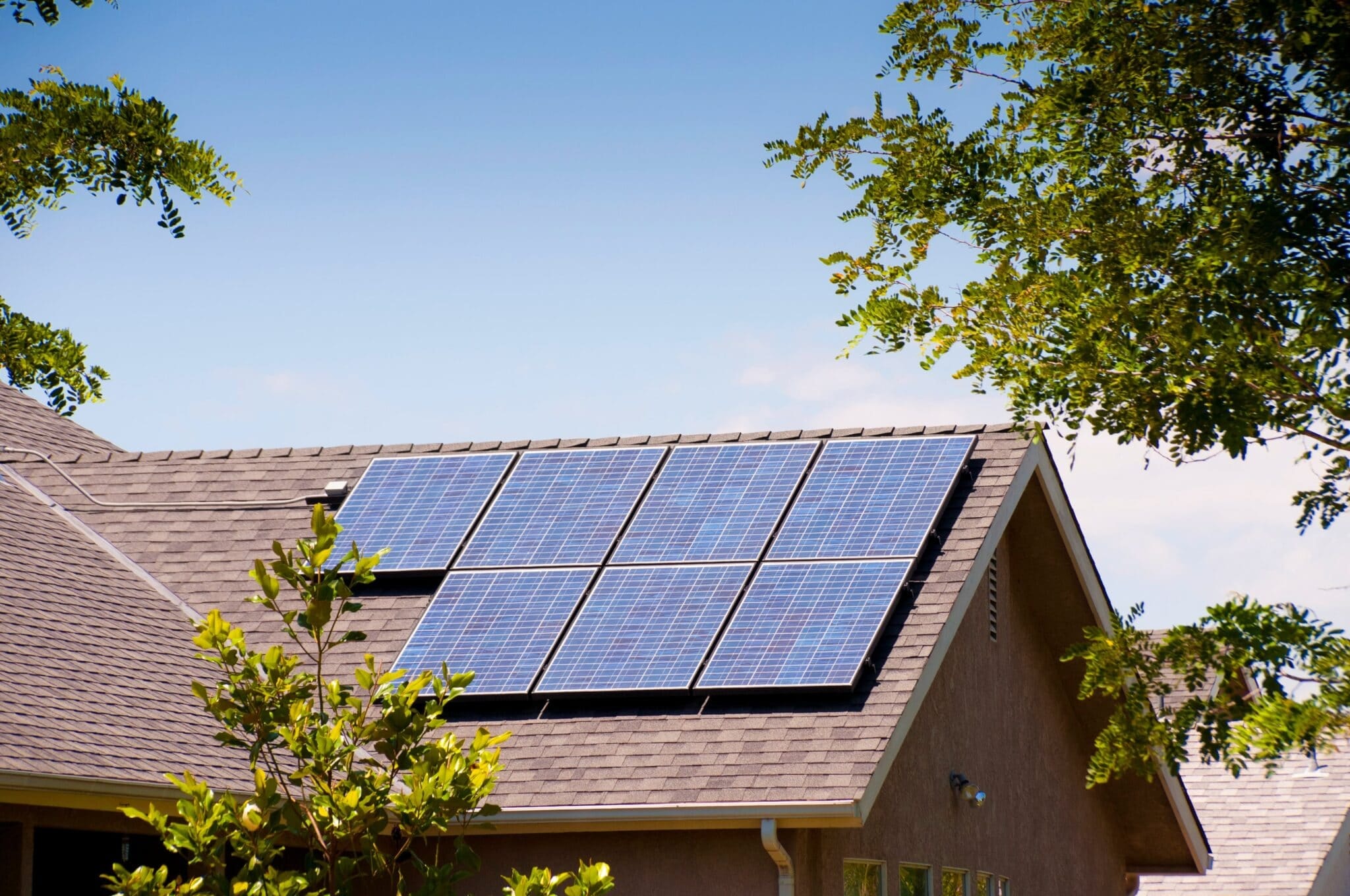
Let’s cut through the noise.
In 2026, the cost of solar plates varies across brands and efficiency grades.
But solar panel prices fall within a predictable range for most Australian households.
Individual solar plates? Between $190 and $350 each, depending on wattage and quality.
But here’s the thing.
Solar panels are rarely bought individually. They’re almost always installed as part of a complete solar panel system.
System pricing in Australia depends on total capacity.
A small solar system runs $3,000 to $5,000.
Larger family-sized systems range from $6,000 to $12,000.
And solar panels cost varies significantly based on quality and capacity.
The most common installation?
The 6.6 kilowatt solar system typically ranges between $4,000 to $8,000 after government incentives kick in.
(You can see how much you can claim in rebates here.)
As you can imagine Tier 1 solar brands (Jinko, LONGi, Trina and REC) high efficiency sit at the higher end of pricing.
Budget panels look tempting upfront. But they often lack the durability needed to withstand Australian conditions.
Particularly brutal in Queensland, Western Australia, and the Northern Territory.
So, think long-term.
Reliability trumps the lowest price when your solar panel system needs to last 20+ years.
Look at it this way…”Buy Cheap, Buy Twice”.
(In most cases anyway)
What about location…
Australians can see different pricing depending on state.
New South Wales, Victoria, and Queensland benefit from strong competition among solar installers, which keeps prices competitive.
Whereas, South Australia and regional locations see slightly higher labour charges.
Despite these variations, federal incentives combined with competitive tariffs make renewable energy accessible to most of us.
And can help you get a great system, without the price tag.
Average Solar System Costs in Australia
| System Size | No. of Solar Plates | Typical Cost (Before Rebates) | Typical Cost (After Rebates) | Suitable For |
|---|---|---|---|---|
| 3 kW | 8 to 10 | $3,500 – $5,000 | $2,500 – $3,800 | Small homes, units |
| 6.6 kW Most common | 16 to 20 | $5,500 – $8,500 | $4,000 – $6,500 | Most family homes |
| 8 kW | 20 to 24 | $7,000 – $10,000 | $5,200 – $8,000 | Large families |
| 10 kW | 24 to 28 | $9,000 – $13,000 | $7,000 – $10,500 | High-usage households |
| Individual Solar Plate | 1 panel | $190 – $350 | $150 – $280 | Replacements / add-ons |
| Solar Battery Add-on | 1 battery | $8,000 – $15,000 | Varies by state | Control Your Bills |
Solar Panel Prices: What Impacts the Price of a Solar Plate
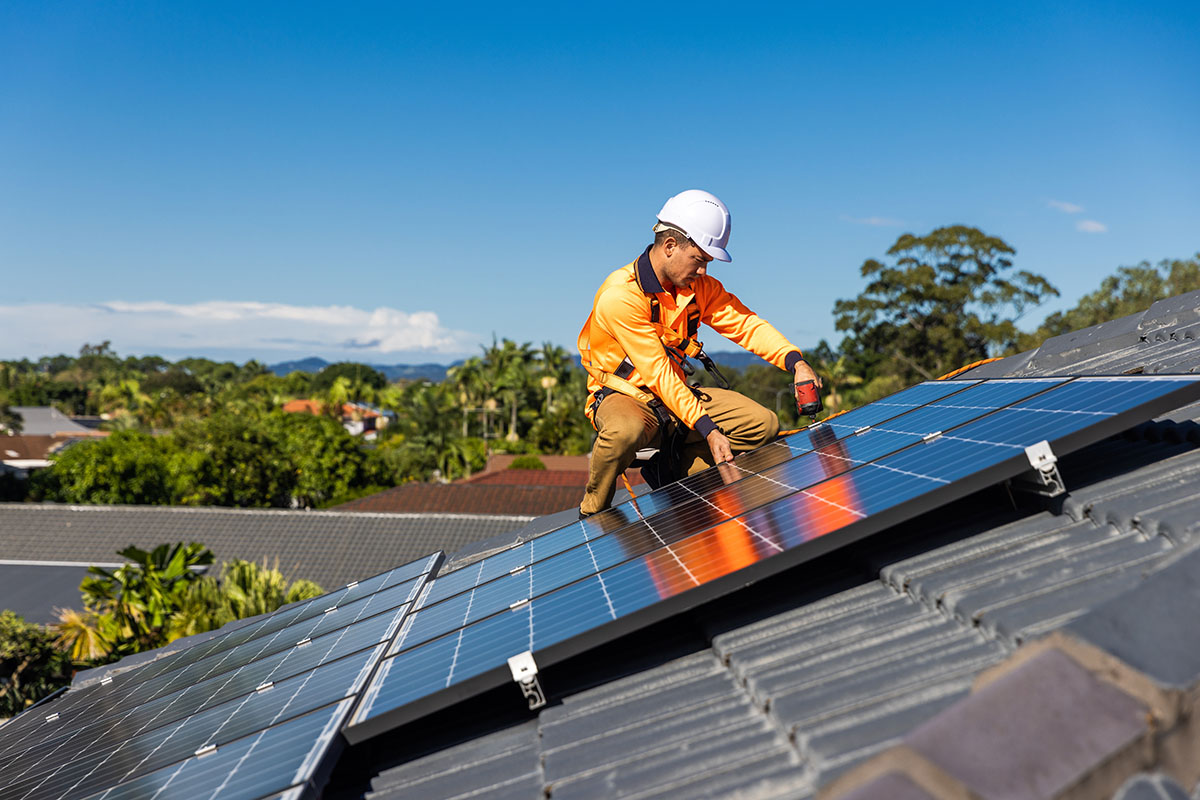
Several factors drive solar panels cost up or down. Understanding them helps you spot real value versus marketing hype.
Panel Size and Power Output
The wattage of a solar panel directly impacts solar panels cost.
Makes sense, right?
Larger, more powerful panels generate more electricity and carry higher production costs.
Homes with greater energy demands or limited roof space often need panels with higher wattage to maximise output and produce electricity efficiently.
The initial investment runs higher. But superior performance with quality solar panels leads to a faster payback period.
Efficiency Ratings
A panel’s efficiency rating shows how much sunlight it converts into usable electricity. Higher efficiency means more energy generated per square metre.
Higher efficiency ratings use advanced materials and manufacturing processes, which increases their cost.
But they’re ideal for properties with limited roof space or homeowners seeking to maximise long-term returns.
Climate and Durability Standards
Australian weather can be bruuuuuutal!
Intense heat, UV exposure, coastal air, extreme weather, all of it tests panel durability.
The durability rating reflects how well panels perform under these conditions.
Panels engineered for higher resistance to heat and corrosion carry a higher price point.
But they deliver more reliable, long-lasting performance.
Homeowners in coastal areas often select panels specifically rated for salt mist resistance.
Why…
Because the lifespan of your system matters.
Brand Reputation and Warranty
Solar brands with strong market reputations command higher prices.
But there’s a reason for it.
Proven performance and comprehensive warranties that actually matter.
A typical solar panel warranty ranges from 10 to 25 years.
That’s a big spread.
Solar panels with longer product and performance warranties give homeowners greater assurance that their solar panel system will keep generating electricity for decades.
Choosing trusted brands helps mitigate future repair or replacement costs.
Premium panels cost more upfront but usually deliver better long-term value…
Because that warranty is worthless if the company goes under three years later.
Installation and Labour Costs
Installation for solar panels involves more than bolting them to your roof.
You need mounting hardware, electrical wiring, safety switches, a solar inverter, system inspections, compliance certification.
The quality you choose affects installation complexity and costs.
Installation costs and labour costs vary by state and region.
Driven by local demand for certified solar installers and the complexity of the solar installation site.
Steep roof pitches? Multi-story homes? Outdated electrical systems?
All increase installation time and overall cost when installing solar panels.
Solar Rebates and Incentives That Reduce the Cost
One of the biggest advantages of going solar in Australia?
The availability of solar rebates and incentives that slash your upfront costs.
The national rebate program offers Small-Scale Technology Certificates (STCs).
These reduce the cost of solar systems based on how much renewable energy your solar system will generate over its lifetime.
The number of STCs awarded depends on your location, system size, and the year of solar installation.
In 2026, we’re talking thousands of dollars off the final cost of a solar system.
State-based solar rebates may also apply in certain regions – improving affordability even further.
These include interest-free solar loans and battery rebates through programs like the Cheaper Home Batteries Program.
Here, at Solar Incentives we specialises in helping homeowners maximise available incentives.
The team stays current with state and federal programs. Guides customers step by step to ensure they claim the highest possible benefit through the solar panel rebate.
This support proves particularly valuable for first-time solar buyers who find rebate calculations confusing.
Solar Batteries and System Costs: Their Impact on Total Cost
Adding solar batteries to your solar power system significantly increases the upfront cost.
But it also delivers greater energy control and future returns.
Solar batteries range from $4,000 to $15,000 depending on size, brand, and capacity.
A battery storage system lets homeowners store unused solar energy during the day and use it during evening hours when electricity rates spike.
But here’s the reality.
Not every household needs a solar necessarily.
If you’re home during the day using power when your solar panels generate it, you might not need one just yet.
The trick is…
Be honest about your actual usage patterns before committing.
Saying that, for many families, a battery becomes most valuable when the goal is long-term financial protection from the grid.
With current feed-in tariffs disappointingly low…
And in states with higher grid instability or higher evening electricity prices, solar batteries offer stronger financial returns.
Take Sarah, one of our clients from Perth’s northern suburbs, added a 10kWh battery to her 6.6kW solar system last year:
“During a storm when we lost power for hours we barely noticed. Fridge kept running, air con worked, kids could charge devices. No stress at all.”
James, another Solar Incentives client from Adelaide. had a different perspective:
“I was ready to buy a battery. But after looking at my daytime usage, it didn’t make financial sense. We’re home most days, using power when it’s cheap and go to bed early. So, I saved myself thousands by being honest about our situation.”
Now, even though battery adoption is growing fast, the numbers need to make sense for your situation.
But with price hikes looking like they’re here to stay…
Using the federal battery rebate to future proof energy bill makes sense.
Average Solar System: Real-World Solar Costs for Australian Homes
Let’s break it down…
A 6.6 kW system suits most medium-sized households. Typically includes 16 to 20 panels.
After your rebate, this average solar system generally costs between $4,000 and $8,000.
It can cut your electric bill by 50% to 80%…
Depending on energy usage, sunlight availability, and your local tariffs.
Larger homes or those with higher energy usage may opt for a 10 kW system.
These cost between $8,000 and $13,000 after rebates and generate significantly more power.
And perform particularly well in sunny states like Queensland, Western Australia, and New South Wales.
More solar panels means more generation matters most when tariffs are low and you want maximum output.
Understanding solar feed in tariffs in your area helps you calculate realistic returns.
Michael, from Brisbane’s western suburbs, installed a 10kW system:
“Our electricity bill dropped from $1,200 per quarter to under $300. Our installation generated more energy than we expected, even in winter. Best investment we made for sure.”
But let me clarify again.
These numbers are ball park figures…
Regional homeowners may face slightly higher installation costs due to transport and labour.
But stronger sun exposure with more solar panels often leads to faster payback periods.
Seasonal variations affect performance too. Winter output can decrease depending on location.
But the annual returns still balance it out.
As always, the best way to get accurate numbers is to find out your rebate amount and speak to the experts.
Solar Panel Installation: How to Calculate What You Will Pay
Let’s get even deeper with the key factors to think about when estimating the cost of a solar panel system for your home.
Roof Size and Orientation
Installation requires proper roof space.
First, assess whether your roof has enough space for the necessary number of solar panels.
Next the right orientation.
In Australia, north-facing roofs with solar panels typically yield the best performance. East and west-facing roofs work too for installing solar.
But of course their orientation affects output at different times of the day.
And perform best of course when positioned correctly in direct sunlight, and your installer can advise on the best placement if you’re not sure.
Energy Consumption: Your Energy Consumption and How Much Energy You Actually Use
Review your past electricity bills to determine your average daily energy consumption in kilowatt-hours (kWh).
Your energy usage dictates the required system size.
How much energy your solar system needs to generate to offset costs effectively.
The experts we partner with use this data to recommend the most suitable system for your household based on how much electricity you use daily.
Because getting the right size system matched to your actual usage is key, and makes all the difference in your payback period.
Feed-in Tariffs in Your State and Electricity Bill Impact
They represent the rates electricity retailers pay for excess solar energy sent back to the electricity grid.
Solar feed-in tariffs can range from 3 to 12 cents per kWh depending on your electricity provider and electricity plan.
Now compare that to what you pay to buy electricity back: typically 25 to 35 cents per kWh.
You’re selling your solar power for 7 cents. Then buying it back for 30 cents.
Your power. Their profit.
Higher tariffs shorten your solar system’s payback period.
Lower solar tariffs make solar batteries a more attractive investment.
Your electricity bill and local electricity rates directly impact overall returns.
Understanding this dynamic matters.
Here’s where things get frustrating for most solar owners.
Feed-in tariffs have dropped through the floor in recent years, so expecting big savings look like a thing of the past and is a big reason for the surge in battery rebates being secured.
Payback Period and Long-Term Energy Savings
On average, the payback period for a solar system in Australia sits between three and six years.
This timeframe shortens with high-efficiency solar panels and optimal solar installation.
Your initial investment in the solar panel system pays for itself through reduced energy bills. Then you enjoy decades of saving money on electricity.
Six months from now, when your neighbour’s quarterly bill arrives and yours is a fraction of theirs? You’ll be glad you made the move.
That’s the real value of solar.
Solar Energy Mistakes That Cost Australians Thousands

After helping over thousands of households maximise available federal solar incentives, we’ve seen these mistakes repeatedly.
Here’s what to avoid…
Choosing the Cheapest System
Many homeowners assume all solar plates are identical. But low quality panels deliver weaker performance, shorter lifespans, and higher maintenance costs.
A cheap system saves money upfront but costs more over time.
Poor panel quality means reduced electricity generated over the system’s lifetime.
Pay a bit more for quality that actually last.
The solar panels on your roof are a 20 plus year investment, not a bargain buy.
Not Checking Warranties
Some panels offer long warranties. But not all manufacturers maintain strong service support or networks in Australia.
That warranty is only valuable if the company still exists when something breaks.
Ignoring Electricity Provider Plans
An expensive energy plan also plays a big part.
And can make or break your return on investment.
Many homeowners install solar without even reviewing their electricity plan options.
This is immediate saving and is a no brainer.
Numbers show you can save up to $400 a year for switching your current plan.
Selecting the Wrong System Size
Oversizing leads to wasted generation and excess energy exported at low feed-in tariffs.
Undersizing means the solar system won’t meet household energy needs effectively.
The right system size matches your actual energy consumption, roof capacity, and budget.
Get this wrong and your payback period extends unnecessarily.
Overlooking Performance Differences
Panel efficiency, build quality, and temperature tolerance all affect long-term output.
how much electricity the solar panels can produce year after year.
Not all panels installed perform equally after 5, 10, or 15 years of Australian sun exposure.
Temperature tolerance matters for residential solar panels.
Quality panels maintain better performance during stressful Australian summers and budget panels degrade a lot faster.
Not Speaking to the Experts
Without expert help, many homeowners miss better-value packages that offer higher returns.
Understanding the true solar panels cost helps you avoid overpaying for panels that underperform.
Not Considering Power Purchase Agreements or Virtual Power Plants
Some electricity providers and solar companies offer power purchase agreements.
You can sell excess power at better rates by joining virtual power plants or a virtual power plant network.
These programs sometimes offer better returns than standard feed-in tariffs. But many homeowners don’t even know they exist.
Ask your installer about virtual power plant options in your area.
Not Maximizing Available Rebates
It’s more common than you think…
Homeowners miss state-specific incentives.
Don’t realize they qualify for battery programs through the Cheaper Home Batteries Program.
The federal solar panel rebate is just the starting point.
State programs can add thousands more on the initial cost.
But you need to know what’s available and how to claim it properly.
We help Australians avoid these issues, ensuring long-term value and reliable performance from day one.
Get Expert Help Maximizing Your Solar Rebates
At Solar Incentives, we don’t sell solar systems.
We help Australian homeowners maximise available rebates and battery incentives.
Who explains exactly what you’re eligible for.
Calculate your maximum rebate amount and guide you through the claiming process without confusion.
So you pay the lowest possible upfront cost for installation with quality solar panels.
With over 50 years of combined experience in renewables we know this industry inside-out.
We’re not pushy solar companies trying to close a sale.
We’re just here to help you navigate it all without the stress.
Ready to find out your exact rebate amount?
More Question?
What impacts the solar panel cost and average solar panel cost
The solar panel cost and average solar panel cost depend on panel quality, system size and the type of system you choose. Premium solar panels, residential solar panels, rooftop solar, and the solar inverter all change final pricing. Solar panel installation complexity and the number of solar panels installed also affect the total cost.
How much will a system and solar panel installation usually cost
The cost of a system depends on how much energy you use, how much electricity you want to offset and whether you add a solar battery or battery storage system. Solar panels installation costs vary with roof structure, new solar panels, DC electricity needs and eligibility for a solar rebate or solar feed-in tariffs.
This electricity generated by your solar panels gets converted by the solar inverter into usable AC electricity for your home. Why inverter quality matters for system performance.
Are solar panel prices worth it for long-term solar energy savings
Solar panel prices are worth it when solar energy lowers power bills and reduces electricity grid reliance.
Value increases with stronger energy production, dc electricity generated, excess power exported and better panel quality over the system’s lifetime.
A solar battery helps during a power outage or power outages while supporting long-term savings.
The renewable energy source provided by solar panels can reduce your carbon footprint while generating more energy for decades to come.
What helps reduce the overall cost when installing solar panels
You can reduce overall cost through solar rebate programs, solar loans, power purchase agreements and joining virtual power plants or a virtual power plant network.
Total savings depend on electricity generated, solar panels installed, renewable energy source output and how much solar installation work your property needs.
Monitoring systems can help you track energy production and ensure your solar system performs optimally throughout its lifetime.
Some solar installers include monitoring systems as part of the package. Help maximize savings and catch performance issues early.
Final Thoughts on Solar Energy and the Cost of Solar
The cost of solar plates in Australia depends on system size, efficiency, brand, installation conditions, and available incentives.
Understanding these factors helps you make an informed decision rather than just accepting the first quote.
Most households can expect to pay between $4,000 and $8,000 for a standard 6.6 kilowatt solar system once government incentives are applied. Larger systems with more solar panels and those including solar batteries will naturally require a higher initial investment.
But they also provide greater energy independence and long-term returns that compound over decades.
Truth is, solar isn’t right for every household. If your electricity bill is under $250 per quarter or your roof is heavily shaded, the numbers might not work.
Be honest about your situation before committing to solar panels.
Solar Incentives encourages Australians to take advantage of current incentive programs while they’re still available and electricity prices keep climbing.
Installing solar in 2026 remains one of the smartest financial decisions homeowners can make for long-term returns.
By understanding the factors that influence the cost of solar and choosing reliable equipment with experienced solar installers, you can secure a solar panel system that delivers consistent returns for 20 plus years.
The entire system…from solar panels to the solar inverter to monitoring systems…works together to reduce your electricity bill and meet your energy needs efficiently.
Whether you’re considering residential solar panels, rooftop solar, or adding solar batteries for a battery storage system, the key is maximising available incentives to minimise the final cost…
…While getting quality solar panels that last.
Ready to see what you qualify for?
Article By
Joe White
Joe has over five years of experience in the renewable energy sector. Based in Australia, he is dedicated to advancing sustainable energy solutions to benefit both the environment and local communities.
In his spare time, Joe loves to surf and take his dog, Mitchy, on road trips to explore the road less traveled.