
Solar Energy Packages: The Good, The Bad, and The Costly

Jerome Trimboli
Associate Editor, Renewable Energy
6 minutes read · 20th February 2026
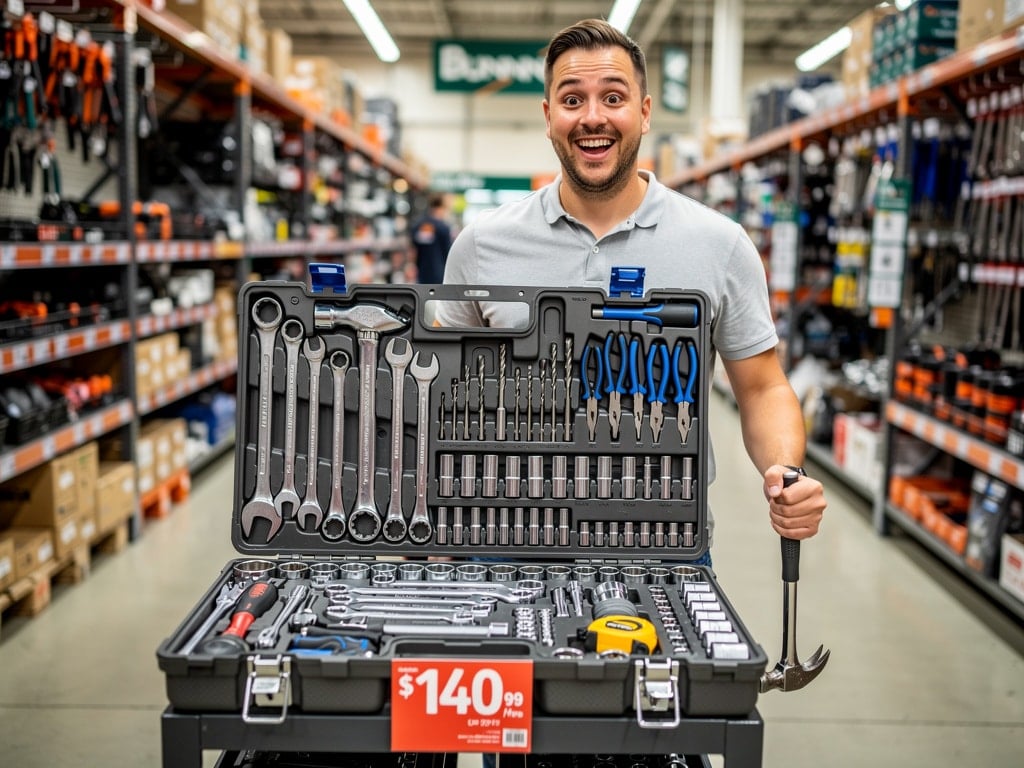
Imagine this…You walk into Bunnings looking for a hammer.
The sign says…
“Discount DIY Starter Pack – Includes hammer, nails, tooth chisel, bullnose plane, dogleg reamer…”
You stop reading.
Shut up and take my money.
That is until…you get home, and realise you only needed the hammer and nails.
Which means now you’re wondering why you spent all that extra cash for tools you might not even use.
Seduced by a discounted package…again.
That’s what solar energy packages can feel like.
They look shiny and all‑inclusive, but sometimes they leave homeowners scratching their heads, wondering what half the stuff even does. (Or if they need it at all)
So, let’s have a proper look at why solar packages can be good and where they can trip you up, too.
What Exactly Are Solar Energy Packages?
Think of a solar energy package like a one‑stop tradie.
It rocks up with solar panels, an inverter, maybe a battery, and the installation crew, all bundled together under a big “bloody‑good‑deal” banner.
For households and businesses alike, solar energy packages are sold as a fuss‑free way to switch to renewables.
Some even throw in EV chargers, smart monitoring apps, or ‘bonus tech’ tech that sounds fancy, but adds very little to how much you actually save.
Impressive? Absolutely.
Needed? Not always.
Because what works for a four‑bedroom place in Adelaide might be useless for a breezy beach shack up in Cairns.
Your roof angle, shade, daily kWh usage and even your energy plan all factor in.
These factors differ from house to house faster than a politician changes policies.
So, if you’ve ever thought.
“Why’s my neighbour’s system saving them more than mine?” then that’s your answer.
What suits one rooftop doesn’t always suit another.
Like comparing a ute to a scooter. Both get you from A to B, but one’s carrying a lot more tools.
The Real Ingredients in a Solar Energy Package
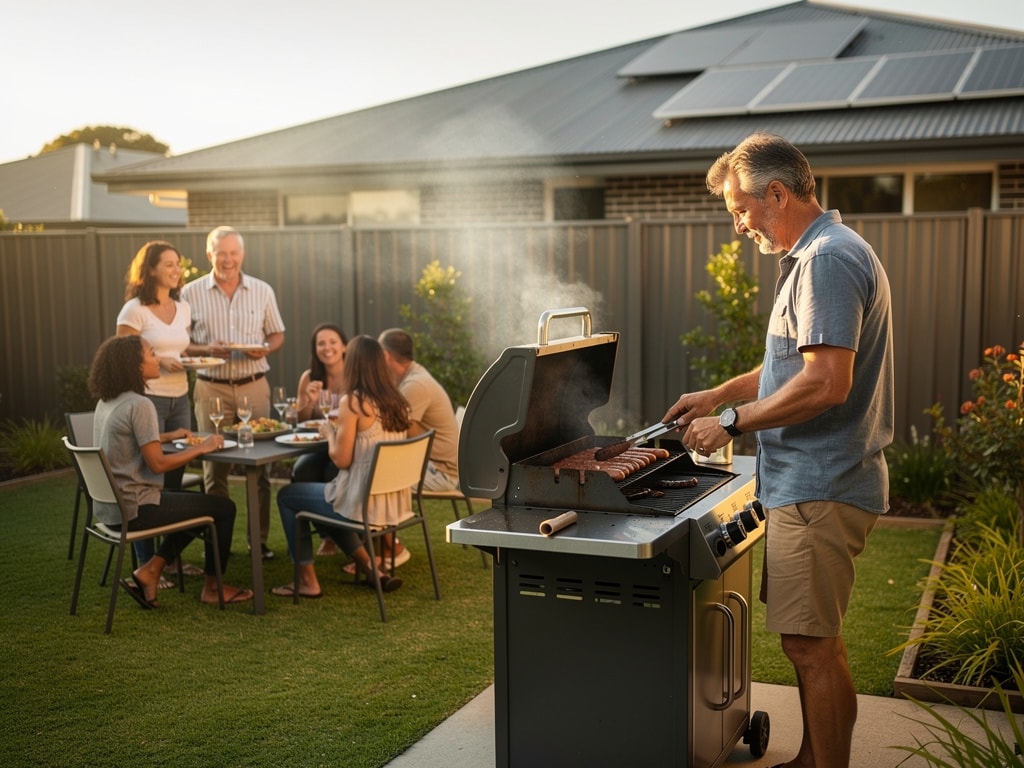
Behind every shiny advertisement for “complete solar solutions”, you’ll find the same core ingredients. The trick is whether they’re cooked right.
- Solar panels – The front liners that soak up the sunlight. Good panels are like good sunscreen: reliable and protective for decades.
- Inverter – Turns that raw solar power (DC) into usable electricity (AC) for your appliances. Basically, the translator between the sun and your toaster.
- Solar battery – Stores leftovers for when the grid nods off.
- Mounting frames – Keep those panels from flying off in a strong southerly.
- Monitoring system – Lets you track your system’s data and brag about your savings.
- Installation and support service – The part that separates the rookies from the reliable solar installers.
Like a backyard BBQ, it’s not about how big the plate is.
It’s about what’s on it and who’s behind the tongs.
A cheap setup might look enticing, but when your inverter gives up before summer’s out, you’ll wish you’d paid for quality.
Why Solar Energy Packages Can Be Both Handy and Hazardous
Let’s give credit where it’s due: solar energy packages can make life easier.
One quote, one supplier, one neat invoice, and you’re on your way to lower electricity bills.
But buyer beware, some deals are shinier than they are smart.
Ever see a “limited‑time mega bundle deal” that sounds too good to be true?
That’s because it usually is.
You’ll get cheap panels, a generic inverter, big promises, and then a vanishing act when something fails.
They’ll call it a ‘smart inverter upgrade’ or ‘mandatory racking fee’ which could be fancy talk for:
“You’re paying more than you thought.”
It’s the ol’ sausage‑sizzle trick: yeah, the snag’s two bucks but grab a drink, and suddenly it’s seven.
The key? Don’t get dazzled by the “all‑in‑one”.
The best solar installations in Australia come from trusted installers who tailor your setup, not from cookie‑cutter deals shipped by the tonne.
Want to skip guesswork and find out which rebates give you the best price?
Benefits of Solar Power
Solar power doesn’t need glitter. It just needs sunlight, solid gear, and a bit of common sense.
It’s the workhorse that slashes your energy bills, drops your carbon footprint, and gives you the comfort of blasting the air‑con guilt‑free on a scorcher.
Throw in a solar battery, and you’ve got midnight electricity without midnight rates.
The real magic lies in the math:
- Lower bills: Generate electricity instead of paying retail for it.
- Energy independence: Be the boss of your own power.
- Property value: A home powered by the sun shines a little brighter on the market.
- Storm backup: The next blackout hits, and you’re the only house still making dinner.
Customers across Australia are saving thousands every year, proving that a reliable solar system pays for itself quicker than you’d think.
So whether you went for a no‑frills package or a custom job, you’re still swapping bills for sunshine. Fair play, right?
Talk about a good deal that doesn’t come with strings attached.
Add a battery → Night power + Fewer grid worries
Solar Package Price Comparison: The Numbers Game
Alright, let’s talk brass tacks. Here’s roughly what Aussie households are paying across common system sizes:
| System Size | Panels | Battery Included? | Typical Price (Before Rebates) | Best For |
|---|---|---|---|---|
| 3–4 kW | 8–10 | ❌ No | $4,000–$6,000 | Smaller homes |
| 5–6.6 kW Most popular |
12–16 | ☀ Optional | $5,500–$9,000 | Families |
| 10 kW + | 20+ | ✅ Included | $11,000–$17,000 | Large households, home offices |
Premium solar systems usually cost a bit more, but you’re paying for peace of mind not panic attacks.
And don’t forget the Small‑scale Technology Certificates (STCs) that can slice off thousands.
That’s the government’s way of saying, “Here’s a helping hand with your investment.”
So before you grab the first “half‑price solar sale”, do a quick rebate check.
Why pay retail when Canberra’s already footing some of the bill?
Curious how much your rebate could knock off?
Choosing the Right Setup for Your Home
Forget the glitzy package tier names “Gold package”, “Platinum package”, “Super Saver Deluxe package”.
That’s marketing fluff.
The only thing that matters is your household’s actual energy use.
Grab your last few electricity bills, check your average daily kWh number, and build from there.
That’s your secret weapon for sizing your solar system.
Want a battery?
Only if night‑time power makes a dent in your budget.
It’s like getting an eight‑burner BBQ for two people and only using one sausage at a time.
When in doubt, go with data.
Solar Batteries: The Silent Workhorse

Picture your solar battery as the thermal flask that keeps your sunlight hot for later.
It stores all that energy your panels can’t finish during the day and dishes it out when the sun’s clocked off.
Modern home batteries are clever beasts built to handle Aussie conditions, keep your lights glowing through storms, and still have enough juice for your Netflix binge.
Sure, they’re an investment, but so is a car that doesn’t conk out halfway down the freeway.
And the government’s Cheaper Home Batteries Program is here to make buying one sting a whole lot less.
Looking at adding a solar battery?
Virtual Power Plants: Solar’s Secret Community Club
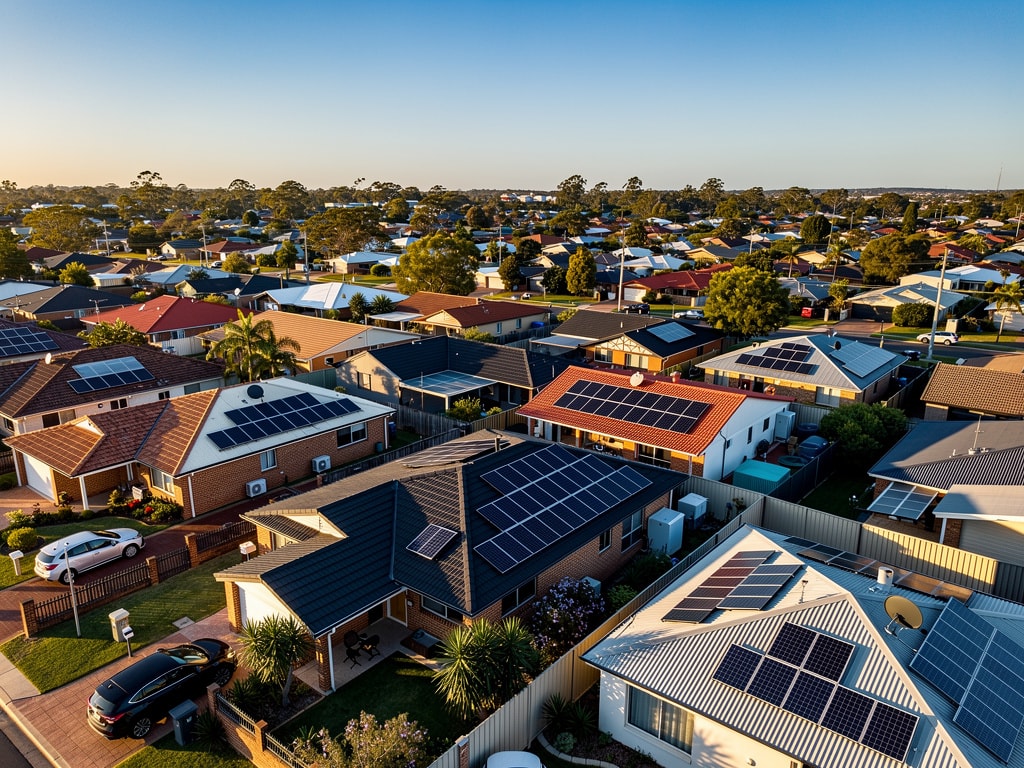
If you thought a Virtual Power Plant (VPP) sounded futuristic, you’re right.
Imagine hundreds of solar homes across Australia teamed up and sharing power like it’s a modern‑day neighbourhood watch, without the nosy neighbours.
Your battery joins others to support the grid during peak demand, and you get paid for it.
No bake sales, no group chats; just good old‑fashioned teamwork through data and sunlight.
It’s the kind of collaboration that makes the grid stronger and your wallet a little heavier.
Who knew you could help keep Australia running smoothly from your own roof?
Energy Plans & Feed‑In Tariffs
Once the panels are on and the inverter’s humming, it’s time to think about energy plans.
Different retailers have different feed‑in tariffs, and they can vary wildly from a few cents to something that actually makes you smile on your next bill.
Timing matters too: send power back when demand’s high, and suddenly your solar system’s shouting cha‑ching! louder than a poker machine.
So between all the deals, tariffs, and plans, solar can feel a bit like choosing a mobile plan… but at least this one pays you back instead of charging late fees.
Want help picking a plan that works with your solar setup?
Government Rebates & Finance Options
Solar rebates in Australia are like gold rush nuggets: valuable, but you’ve got to catch them quick before they’re gone.
There’s the federal STC program, state‑level battery incentives, and even zero‑interest financing options in some areas.
But these offers aren’t set in stone.
One week they’re there, the next they could be history.
A quick eligibility check can save you a few grand.
And those savings?
They make solar packages go from maybe next year, to right now.
The Bottom Line: Make the Sun Work for You
At the end of the day, solar energy packages are like any good Aussie deal.
Some deliver, some rinse you.
The difference comes down to what’s actually included, how it’s installed, and whether you’ve taken advantage of your rebate options.
You don’t need to spend a fortune or get tied into a confusing package.
What you do need is solid advice, a trusted installer, and a bit of inside knowledge, like knowing which incentives apply to your postcode right now.
That’s where Solar Incentives comes in.
We help you find applicable rebates that can lower prices so your solar package does more than look good, it pays for itself faster than a tradie on overtime.
Why pay more when the sun’s already doing half the work?
FAQs
Are solar energy packages worth buying in Australia?
Small-scale Technology Certificates (STCs) can serve as a federal rebate for solar installations, often deducted from the quoted price.
Premium solar systems cost 20–30% more than standard systems but offer better warranties and higher efficiency.
The typical payback period for quality solar systems in Australia ranges from 4 to 8 years.
The Cheaper Home Batteries Program offers households up to 30% off the cost of installing solar connected batteries.
The Australian Government announced it would expand the Cheaper Home Batteries Program to an estimated $7.2 billion over the next 4 years.
Can I start with panels now and add a battery later?
Absolutely. Just make sure your inverter is battery‑ready from the start. Many Aussie households go panels‑first and add a battery once they’ve seen how much energy they’re exporting.
Solar battery bundles can provide additional savings and benefits compared to purchasing solar products separately.
How do I maximise my solar efficiency and savings?
You can optimize your solar savings with detailed usage information all in one place using the app provided by your solar provider.
A Virtual Power Plant (VPP) made up of household solar, batteries, electric cars, and home energy appliances can enhance grid reliability and accelerate the clean energy transformation.
Roof orientation affects solar energy production, with north-facing roofs being ideal and east/west roofs offering good performance for morning and afternoon demand.
Shading from trees or chimneys can significantly affect the performance of solar systems.
Battery storage systems provide energy independence and backup during outages, particularly beneficial for households with high evening usage.
Selecting high-quality, warrantied solar components is essential for maximising long-term savings.
Monocrystalline panels offer 20–25% efficiency and a lifespan of 30-40 years; polycrystalline panels are cheaper but have 18-21% efficiency.
Energy efficiency habits and selective use of appliances overnight can help maximise battery runtime.
Professional installations are essential to ensure that solar panel systems perform at their best for years to come.
After installation, regular maintenance is necessary to keep solar systems operating efficiently.

Article By
Jerome Trimboli
Jerome has over 2 years of experience in the renewable energy sector. Australian born and raised, he takes pride in advancing sustainable energy solutions to benefit both the environment and local communities.
In his spare time, Jerome is often watching various sports religiously, such as Aussie rules, cricket, soccer and basketball. Jerome loves playing sports like tennis and golf, as well as travelling across the world to parts unknown.